
I was fiddling with a DEX the other night and my gut said somethin’ was off. Wow! The gas estimate popped higher than expected, and the token approval looked oddly broad, which made me pause. Initially I thought it was just a flaky UI, but then I realized those little nuisances are often the first sign of bigger risk, the kind that eats your funds slowly. On one hand wallets promise convenience, though actually the worst mistakes happen when convenience hides complexity from you.
Okay, so check this out—wallets used to be simple keystores. Really? Now they’re routers across chains, transaction simulators, and a small security stack rolled into one. My instinct said a dedicated tool would help, and it did, but only after I tested it under realistic attack scenarios and weird edge cases. What surprised me was how many wallets claim ”multi-chain” yet silently expose users to cross-chain replay or price slippage exploits when switching networks. I kept digging because the stakes are high and mistakes are expensive.
Whoa! A good wallet should simulate your entire transaction path before you hit confirm. That simulation needs to show token routes, approval calls, gas dynamics, and contract interactions, not just a fuzzy gas ticker. Initially I assumed simulation is a nicety, but then I watched it prevent an approval for infinite allowance that would have let a malicious contract drain an account. On the flip side, simulations are only useful when they’re accurate and granular enough to reveal hidden calls and value flows across contracts.
Here’s the thing. Users need multi-chain support without the mental overhead. Hmm… Many folks switch networks and assume their same address and approvals carry identical risk profiles across chains, which is wrong. A robust wallet surfaces chain-specific risks and differences in how smart contracts operate, so you can make informed choices rather than guessing. When a UI highlights that an approval covers more than intended, that little flag can save thousands, or at least a very bad afternoon.
Seriously? I once approved a token with an infinite allowance thinking I could revoke it later. Wow! The revoke function was buried two menus deep and cost nearly as much gas as the approval itself, making the whole thing feel like punishment. On analysis I realized that bundling approval management into a single discoverable place reduces friction and therefore risk, since users are more likely to revoke unnecessary allowances when it’s easy. This is why wallet design must be security-first without being punishingly complex.
My instinct said the UI mattered more than power features, but then analytics showed power features are where exploits hide. Hmm… Advanced users need deep instrumentation, though casual users need guardrails. One approach that works is progressive disclosure—show minimal safe defaults but let power users drill into transaction traces and calldata when they want. That dual-mode design reduces cognitive load while still offering transparency for those who will actually inspect a transaction.
Whoa! Transaction simulation is not just about warnings. It can show the exact sequence of calls and state changes across contracts. Initially I thought a simple ”estimated cost” was enough, but then I started using simulators that replay the tx against a forked state and flags reentrancy or unexpected token transfers. The difference is huge: you get to see if your swap will briefly create an arbitrage window or if a contract will call out to an external contract you didn’t expect. These are the subtle failure modes that standard UIs hide.
Okay, let me rephrase that—security is cumulative, not single-point. Seriously? One tiny unchecked approval plus a sloppy routing choice equals a catastrophic outcome faster than you’d think. On one hand multi-chain convenience accelerates yield opportunities, though actually it multiplies attack vectors unless the wallet centralizes risk assessment. When a wallet runs a pre-flight risk check across source and destination chains and cites past exploit patterns, you gain context, which is powerful.
Whoa! Here’s a practical bit. If a wallet can simulate transactions, it should also allow users to tweak gas strategies and slippage tolerances safely. My instinct said greedy low gas settings were fine, but reality slapped that away during a congested period when my tx timed out and re-played at a worse price. Having a wallet that suggests optimal gas and warns when slippage settings will almost certainly trigger a sandwich attack makes trades less painful, and frankly less costly. I’m biased, but that feature alone pays for itself over time.
Hmm… Cross-chain swaps deserve special attention. Really? When bridging assets you expose yourself to smart contract risk on both chains and to the bridge operator’s liquidity mechanics. Initially I treated bridges like atomic vending machines, but then I tracked a delayed finalization that left funds stranded while mempool actors toyed with price. Wallets that highlight finalization guarantees and simulate intermediate states help users plan for timing and failure modes.
Whoa! The personal bit—I’ve seen friends lose access because of poor key handling, not clever hacks. My instinct flagged that people often conflate custody with convenience, and that’s a problem. On one hand custodial solutions reduce personal chores, though actually they amplify counterparty risk and create new trust assumptions. A good wallet gives clear choices: secure hardware integrations, mnemonic safety nudges, and quick revoke pathways if something goes sideways.
Okay, real talk—wallet metrics matter. Hmm… How many times have you opened a wallet and just clicked ”confirm” repeatedly? Too many, that’s how many. Wallets need to display credible risk metrics—like contract audit summaries, recent exploit history, and a confidence score for simulation results—without scaring everyone away. When those metrics are backed by transparent heuristics and easy drilldowns, they become educational, which lowers long-term platform risk by raising user literacy.
Here’s what bugs me about most wallet security stories—they treat users like either experts or idiots. Whoa! That binary fails in real life because people learn on the job and change behavior with better feedback. A progressive interface that evolves with the user’s competence, with optional deep-dives into transaction traces and calldata, both empowers and protects. I’m not 100% sure about the perfect balance, but iterative design based on real user behavior is the path forward.
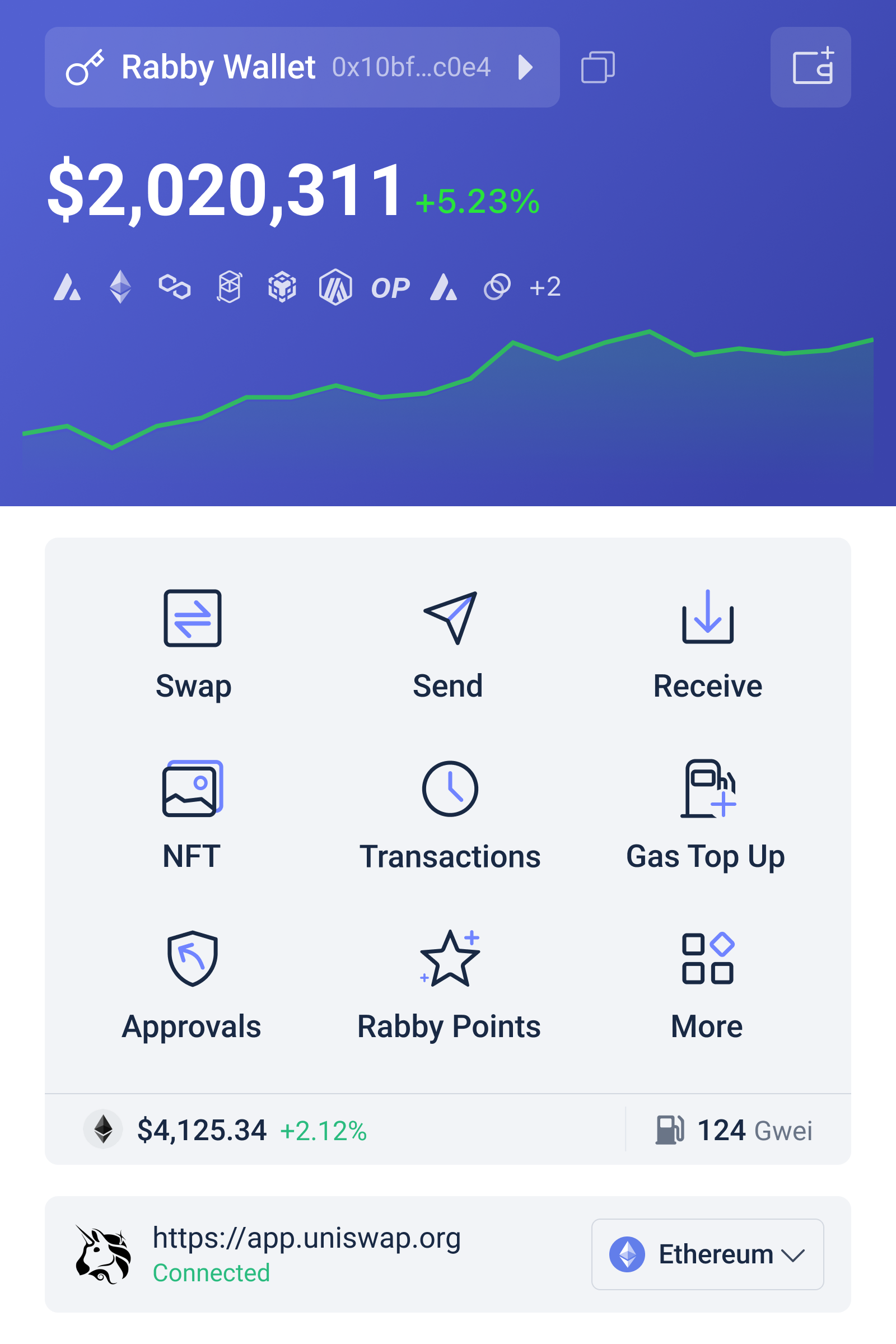
Wow! To be concrete, some wallets now stitch all these capabilities together—multi-chain assets, simulation, approval management, hardware integration, and contextual risk scoring—into a usable flow. Initially I only recommended such wallets to heavy traders, but then I watched everyday users avoid mistakes they would have otherwise made. One link I’m comfortable sharing after long testing is rabby, which demonstrates a lot of these principles in practice. That endorsement is selective and earned, not blanket.
Okay, so final thoughts—this isn’t about fear. Seriously? It’s about making confident moves with your crypto. On one hand the space rewards boldness, though actually it punishes sloppy confirmations and blind trust. A wallet that simulates, educates, and reduces friction is a force multiplier for users. I’m biased toward tools that treat security as a feature, but boredom-proof UX and practical safety nudges win for everyday use.
Practical checklist before you hit Confirm
Whoa! Quick checklist first. Hmm… Check approvals and revoke unnecessary allowances. Inspect the route for swaps and simulate the transaction when possible. Compare gas suggestions and watch for external contract calls that you don’t recognize. Keep a hardware wallet for large holdings and use non-custodial overlays for everyday operations (oh, and by the way, backup your seed properly).
FAQ
Why does transaction simulation matter?
It reveals the actual sequence of contract calls and state changes you will trigger, which can expose hidden token transfers, reentrancy risks, and sandwich vectors before you commit; that visibility reduces surprises and potential losses.
Can a wallet really assess cross-chain risk?
Yes, by combining chain-specific heuristics, bridge finalization data, and historical exploit patterns a wallet can surface differences and warn you about timing or protocol-specific hazards—even if it can’t eliminate them entirely.
Is simulation perfect?
No—simulations depend on network state and the fork used, so they’re probabilistic tools; still, they’re far better than blind confirmations and they catch many of the common, very costly mistakes.